The Prophet's Chamber in Madinah: What Is There, and How to Visit
Short answer
The Prophet's chamber is the room of Aisha, may Allah be pleased with her, inside Masjid an-Nabawi, where the Prophet ﷺ is buried alongside Abu Bakr and Umar. It measures about 17.75 square metres and is enclosed by walls with no opening. Visitors pass on a managed route to give salam. It is not a rite of Hajj or Umrah.
Key takeaways
- ✓The chamber was a room, not a tomb. It belonged to Aisha, may Allah be pleased with her, and the Prophet ﷺ was buried in it after dying there.
- ✓Abu Bakr and Umar, may Allah be pleased with them, are buried beside him. Nobody can see inside; the graves are behind walls with no door or window.
- ✓It came inside the mosque when al-Walid ibn Abd al-Malik expanded the building around 707 CE, taking in the ground the chamber stood on.
- ✓A five-sided wall was built around it under Umar ibn Abd al-Aziz, deliberately shaped so it would not resemble the Kaaba and would be awkward to pray towards.
- ✓The Green Dome was built in 1279 and painted green in 1837. It is a later addition, not part of the original mosque.
- ✓An authentic report says salawat sent upon the Prophet ﷺ reaches him wherever the sender is. You do not have to be at the grille.
- ✓Visiting is not a rite of Hajj or Umrah. The hadith names his mosque as one of three worth travelling to; the salam is something you do while there.
Quick facts
- City
- Madinah, inside Masjid an-Nabawi
- Who is buried there
- The Prophet ﷺ, Abu Bakr and Umar
- Size
- About 17.75 m² (roughly 5 m by 3.5 m)
- Can you see inside
- No. Enclosed by walls with no door or window
- Green Dome
- Built 1279, painted green 1837
- Part of Umrah or Hajj
- No. A visit, not a rite
- Visit length
- Under a minute on a managed one-way route
- Women
- Separate arrangements and time bands; check on the day
- Evidence level
- A for the burials; B for the later architecture and enclosure
Three graves lie inside Masjid an-Nabawi, behind walls with no doors and no windows: the Prophet ﷺ, Abu Bakr al-Siddiq and Umar ibn al-Khattab, may Allah be pleased with them both.
Almost every visitor to Madinah walks past the chamber to give salam. It takes under a minute and it is the part of the trip people most often arrive unsure about. This page explains what is there, how it came to be inside the mosque, and how to do the visit calmly and correctly.
What the chamber is
It was a room, not a tomb. The room belonged to Aisha, may Allah be pleased with her, and it stood beside the mosque. The Prophet ﷺ spent his final illness there and was buried in it.
Abu Bakr was buried beside him, and Umar after that. There is space in the chamber that has never been used.
Saudipedia gives the chamber's measurements as roughly 4.9 to 5.24 metres north to south by 3.5 metres east to west, about 17.75 square metres. It is the size of a small bedroom, because that is what it was.
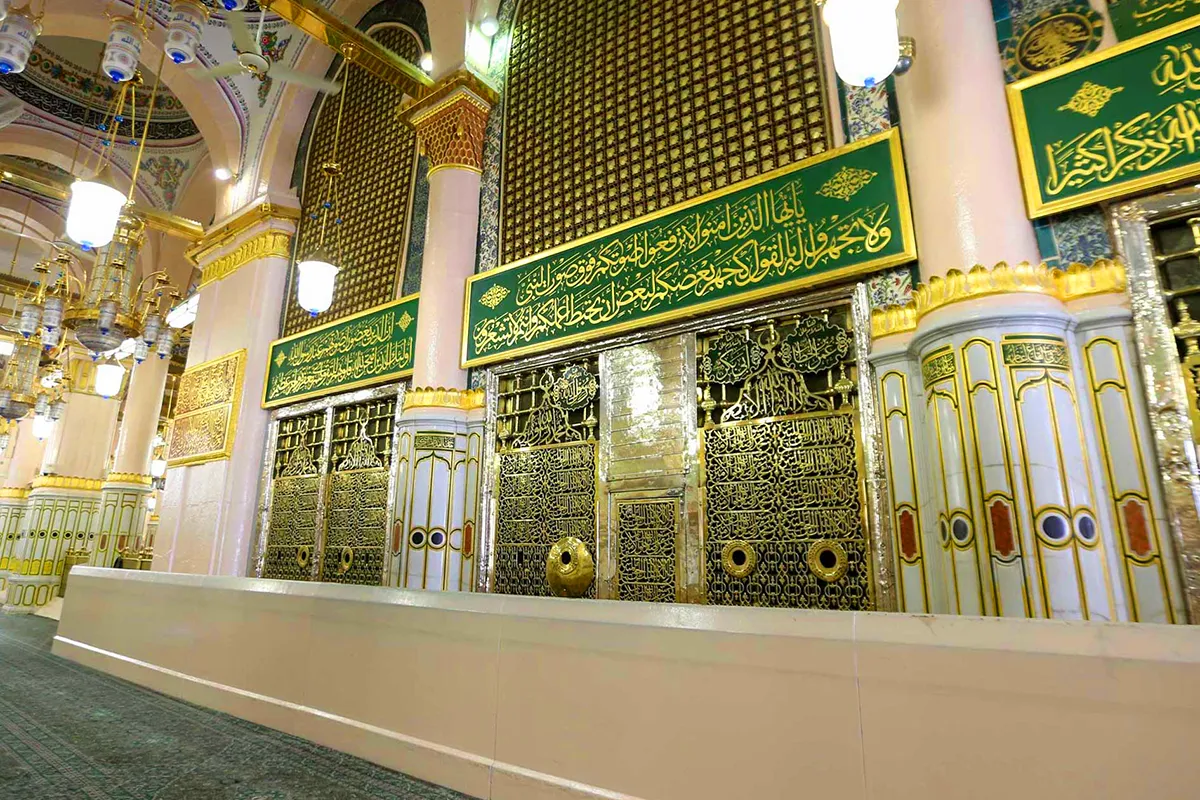
Nobody sees inside it. The graves are enclosed by successive walls with no opening. What visitors see from the mosque is a wall, a screen and a set of grilles.
How a house ended up inside a mosque
This confuses people, and the answer is straightforward history.
The chamber was next to the mosque, not in it. When the Umayyad caliph al-Walid ibn Abd al-Malik rebuilt and enlarged the mosque, around 707 CE, the expansion took in the ground where the chamber stood. From that point the chamber sat within the mosque's walls.
Historical accounts record that during this work, carried out under the supervision of Umar ibn Abd al-Aziz, a five-sided wall was built around the chamber. The shape was deliberate. A pentagon does not look like the Kaaba, and it makes it awkward to line up and pray towards it.
That is worth pausing on. The men who enclosed the chamber were consciously trying to stop it becoming an object of worship. The design itself is an argument, built in stone, about how the place should be treated.
The Green Dome
The dome above the chamber was built in 1279, roughly six centuries after the Prophet ﷺ, and it was painted green in 1837 under Ottoman rule. Before that it was not green.
It is now the most recognisable image of Madinah in the world. It is also, plainly, a later addition. Knowing that costs you nothing and protects you from a lot of confused claims.
Why he was buried in the room
The Companions differed about where to bury him. The matter was settled by a report that a prophet is buried in the place where he dies, and so the grave was dug in the room itself.
The graves were left as ordinary graves, level and unbuilt. Everything you see around them today was added by later generations.
The warnings in the hadith
Two authentic reports shape how Muslims of every school approach this place.
One. The Prophet ﷺ warned against taking the graves of prophets as places of worship. This is recorded in Sahih al-Bukhari and Sahih Muslim. It was said in the final days of his life.
Two. He said not to make his grave a place of festival, and that the salawat sent upon him reaches him wherever the sender is. This is reported in Sunan Abi Dawud and is generally graded acceptable by hadith scholars.
Read the second one again, because it removes a burden. Your salawat reaches him from your own country. You do not have to be standing at the grille for it to count. That is his own statement, not an opinion someone added later.
How to give salam, in practice
The visit itself is short and simple. Here is what actually happens and what to do.
- Join the flow. Men pass along a managed route on one side of the chamber. The gates and the direction of travel are organised by the staff and they change; follow the signs on the day rather than a friend's instructions from last year.
- Give salam quietly. Say the salam to the Prophet ﷺ, then to Abu Bakr, then to Umar, may Allah be pleased with them. A sentence each is enough.
- Make your du'a facing the qibla, addressed to Allah. Scholars across the schools agree that du'a is asked of Allah alone. Step out of the flow, face the qibla, and ask.
- Keep moving. There is a queue behind you and every person in it wants what you want.
Things to avoid, all of which the mosque staff will stop you doing anyway:
- Do not touch, kiss or wipe the grilles or the walls.
- Do not raise your voice, and do not weep loudly enough to disturb others.
- Do not pray facing the chamber.
- Do not stand still and block the route to take photographs.
- Do not push. If you are pushed, let it go.
Women do not pass the chamber on the same route as men. Arrangements for women's ziyarat are organised separately and by time band, and they change, so check on the day.
Is this part of Umrah or Hajj?
No. Visiting Madinah, the mosque and the chamber is not a rite of Hajj or Umrah. There is no ihram for it, no required number of visits, and nothing in your Makkah rites depends on it.
What the authentic hadith establishes is that his mosque is one of three mosques worth travelling to. The journey is to the mosque. The salam at the chamber is something you do while you are there.
That distinction is not a technicality. It is the difference between a visit and a pilgrimage, and the early generations were careful about it.
A word on the emotion
Many people find this the hardest minute of the whole trip, and they are moved before they reach the grille. That is a natural human thing and nobody should be embarrassed by it.
Two thoughts that help. First, you are not going to get long, so decide what you want to say before you join the queue. Second, whatever you did not manage to say there, you can say tonight in your hotel room, and the report above says it reaches him anyway.
Around the mosque
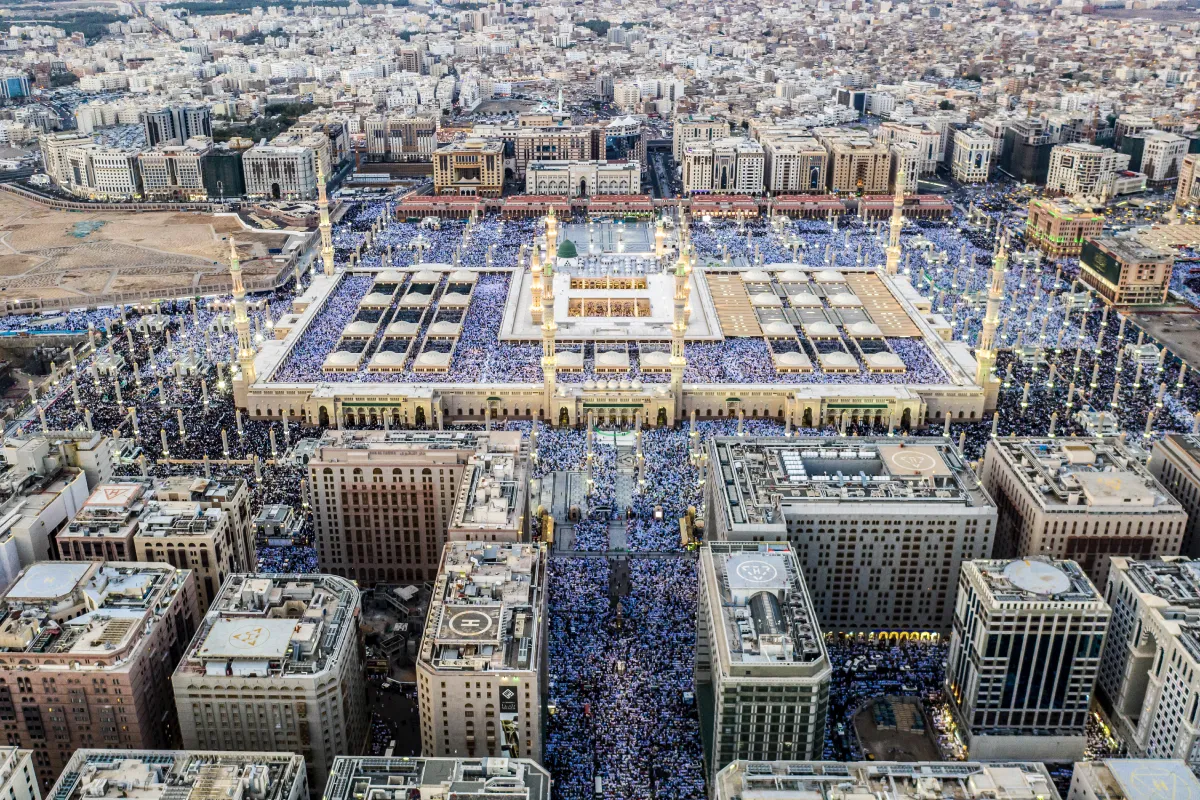
- Masjid an-Nabawi — the mosque itself, its history and how to visit.
- The Rawdah — the area between the chamber and the minbar, and how the permit works.
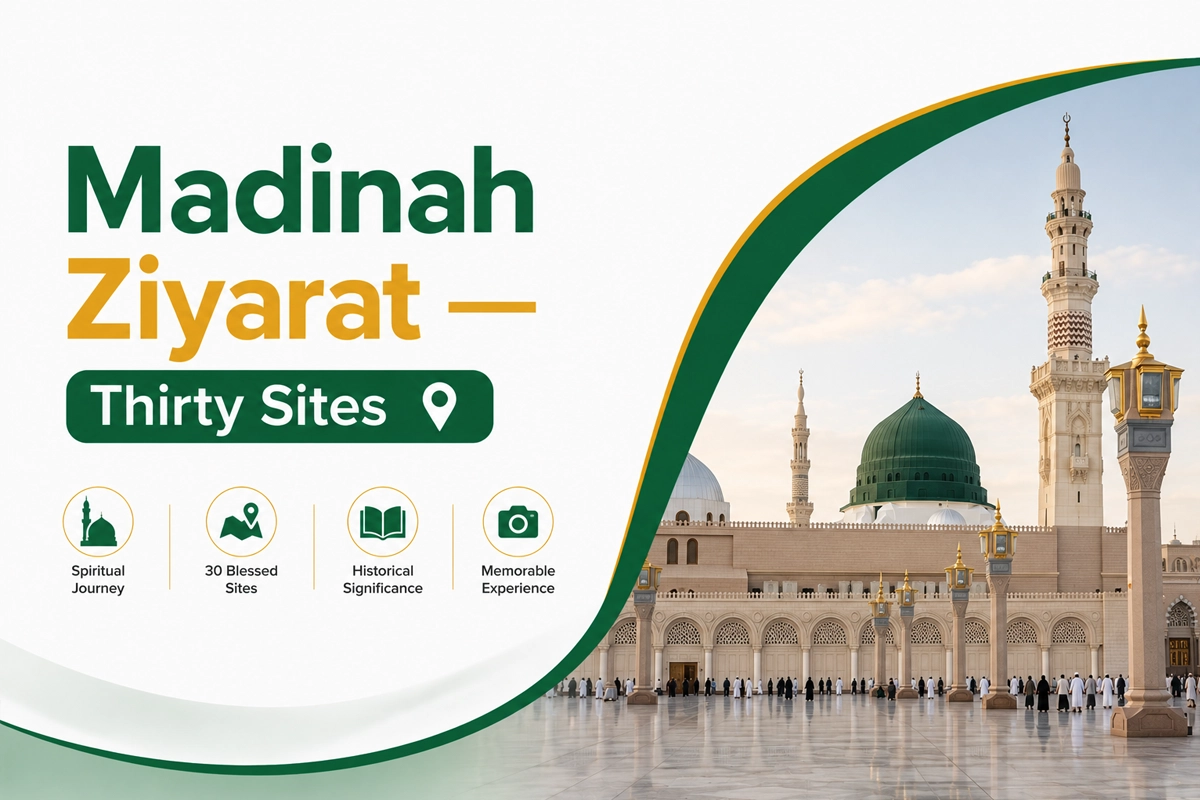
- Madinah Ziyarat guide — thirty sites with the evidence for each.
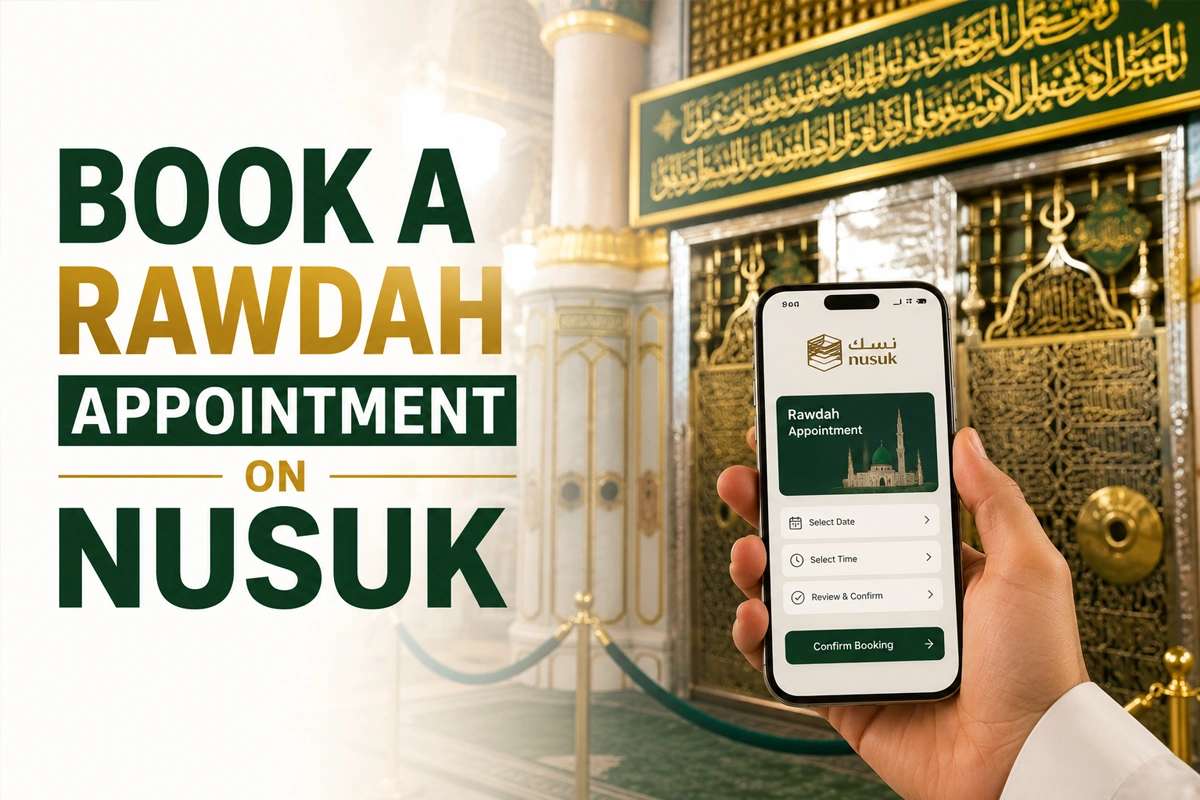
- Booking a Rawdah appointment — step by step on Nusuk.
Getting there
If you are staying in the central area you will walk, and the walk is short. Nobody needs a car for the chamber.
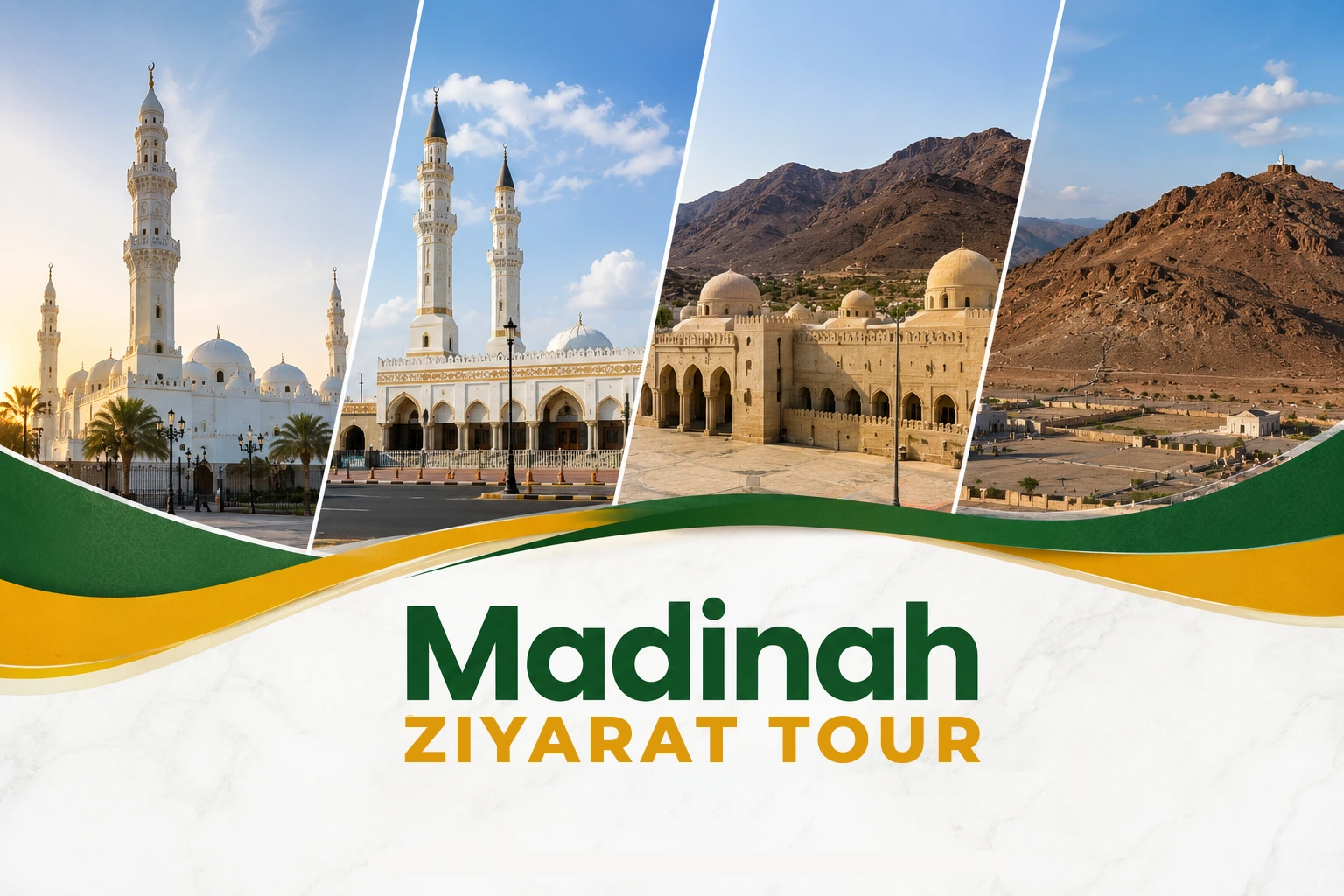
The car matters for the rest of the trip. Arriving at Madinah airport with luggage and a family at midnight is not the moment to negotiate a fare, and our Madinah airport transfer is a fixed price with the driver waiting. For Quba, Uhud, Qiblatayn and the Trench sites, the Madinah Ziyarat private car covers the whole round for one vehicle fare. Coming from Makkah, compare the Haramain train against a private car; the train is faster, the car lets you stop.
Accuracy note
The burial of the Prophet ﷺ in the chamber of Aisha, and of Abu Bakr and Umar beside him, is established in the hadith and seerah literature. The chamber measurements and the Green Dome dates are from Saudipedia, the Saudi national encyclopaedia. The account of the chamber being enclosed during al-Walid ibn Abd al-Malik's expansion around 707 CE, under the supervision of Umar ibn Abd al-Aziz, and the five-sided wall built so the enclosure would not resemble the Kaaba and would deter prayer towards it, is drawn from the historical and architectural literature and is level B historical documentation rather than a hadith. The warning against taking the graves of prophets as places of worship is in Sahih al-Bukhari and Sahih Muslim. The report that salawat upon the Prophet ﷺ reaches him wherever the sender is, and the instruction not to make his grave a place of festival, are in Sunan Abi Dawud and are generally graded acceptable. Visiting the chamber is not a rite of Hajj or Umrah. Gate arrangements and women's ziyarat timings are managed by the mosque authorities and change; follow the signage on the day. Content verified August 2026. If anything here is out of date, tell us.
Frequently asked questions
Planning a Saudi trip?
Pre-book a private car, find a stay, or ask us anything on WhatsApp.
Last updated: 9 October 2026·Sources reviewed by the Wadana Go editorial team.