Best Luxury Hotels Near Masjid Al-Haram in Makkah (2026 Guide)
Short answer
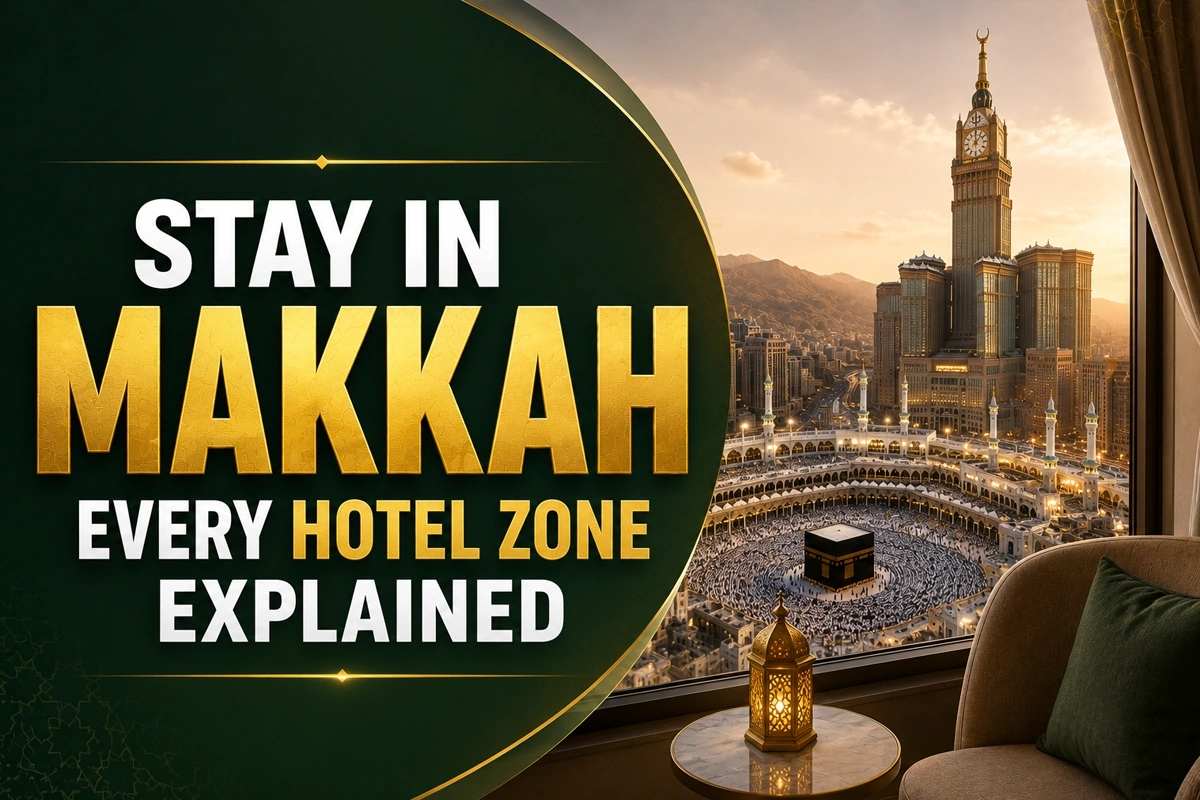
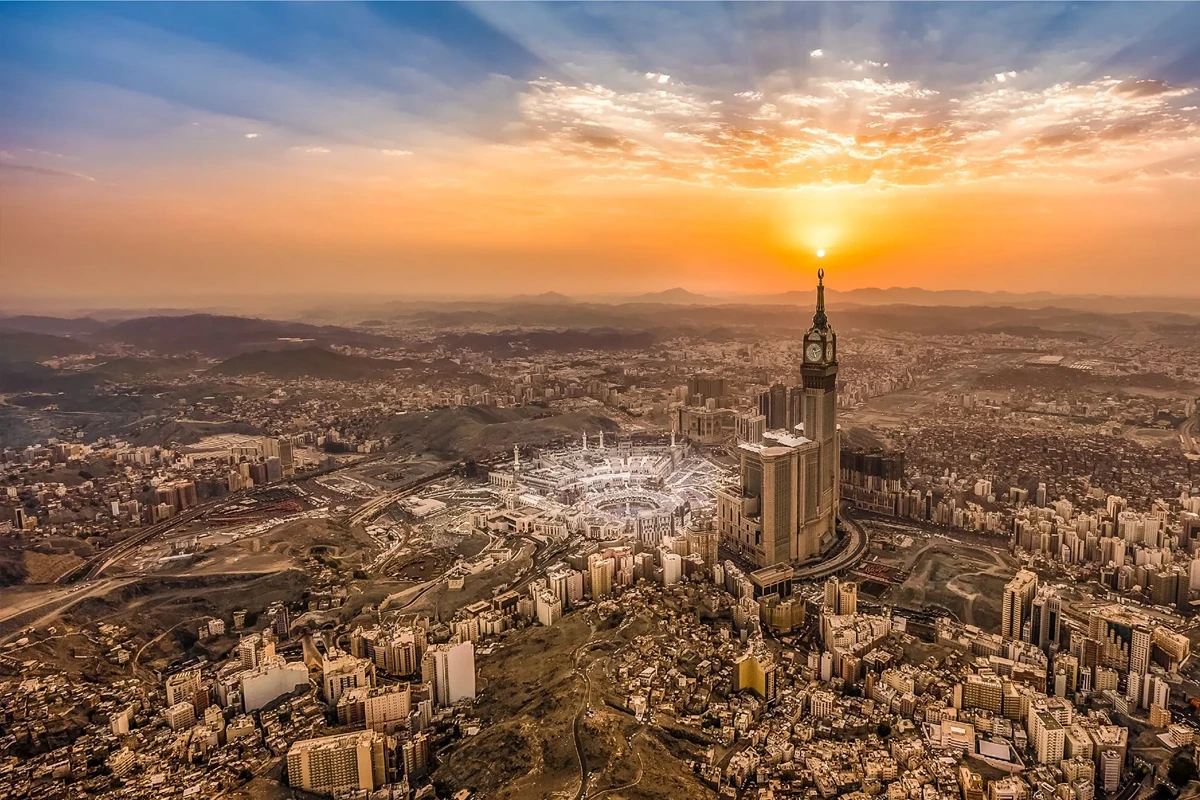
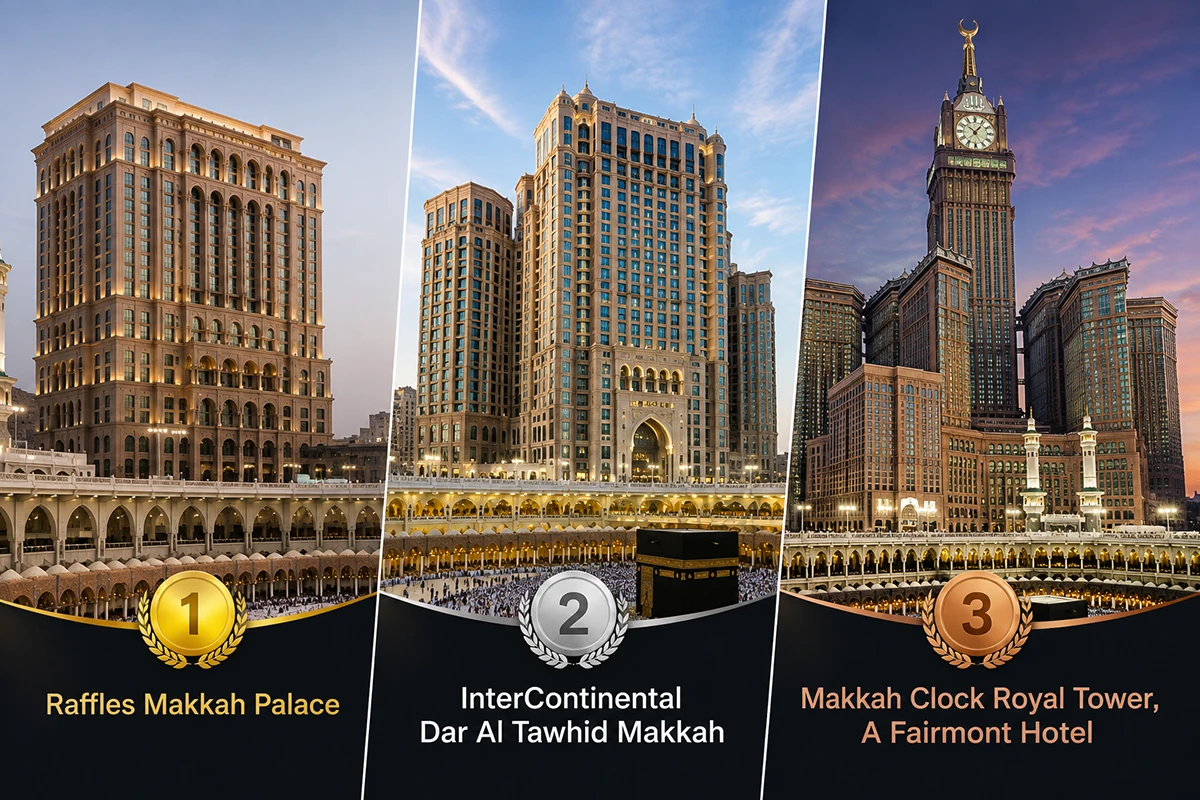
The three strongest luxury hotels near Masjid al-Haram in 2026 are Raffles Makkah Palace, an all-suite hotel with 24-hour butler service beside the King Abdulaziz Endowment; InterContinental Dar Al Tawhid Makkah, directly opposite King Fahd Gate and one of the closest luxury hotels to the Grand Mosque; and Makkah Clock Royal Tower, A Fairmont Hotel, inside the Abraj Al Bait complex with panoramic Kaaba views, a large prayer hall facing the mosque and direct mall access. Raffles suits privacy-focused luxury travellers, the InterContinental suits families and elderly pilgrims, and the Fairmont suits travellers who want iconic views and everything under one roof. Entry to Makkah is restricted to Muslims, and rates rise sharply in Ramadan and Hajj.
Key takeaways
- ✓Raffles Makkah Palace is the most private and exclusive of the three: an all-suite hotel with 24-hour butler service, beside the King Abdulaziz Endowment and overlooking Masjid al-Haram.
- ✓InterContinental Dar Al Tawhid Makkah sits directly opposite King Fahd Gate, giving it one of the shortest walks to the Grand Mosque and making it the easiest choice for families and elderly pilgrims.
- ✓Makkah Clock Royal Tower, A Fairmont Hotel, inside the Abraj Al Bait complex, offers panoramic Kaaba views, a large prayer hall facing the mosque, multiple restaurants and direct access to shopping.
- ✓A confirmed Kaaba-view room can cost two to three times a comparable non-view room; Haram-view and city-view categories deliver most of the comfort for far less.
- ✓Book six to nine months ahead for Ramadan, the last ten nights and the Hajj season. Entry to Makkah is restricted to Muslims, and room categories and services vary, so confirm details with the hotel at the time of booking.
In most cities, choosing a hotel is a question of taste. In Makkah it is a question of time. The distance between your room and Masjid al-Haram quietly decides how many prayers you make inside the mosque, how much energy your parents have left by the third day, and whether the walk back after Isha feels like a pleasure or an ordeal. That is why the small cluster of genuinely luxurious hotels within a few hundred metres of the Grand Mosque commands the rates it does. You are not paying for marble. You are paying for minutes.
This guide looks closely at the three luxury hotels that consistently sit at the top of the shortlist for pilgrims and travellers who want both proximity and comfort: Raffles Makkah Palace, InterContinental Dar Al Tawhid Makkah and Makkah Clock Royal Tower, A Fairmont Hotel. Each one is a five-star property within an easy walk of the Haram, and each one solves a different problem. One offers privacy and suites. One offers the shortest, gentlest walk to a main gate. One offers the view that people talk about for years afterwards.
Rather than repeating brochure language, we have focused on the things that change your day: the real walking route to the nearest gate rather than the straight-line distance, what a Kaaba view actually looks like from each address, how large the rooms are, how dining works around prayer times, how easily a wheelchair or a pushchair moves through the building, and where the trade-offs sit. If you are still choosing a district rather than a specific hotel, start with our broader guide to where to stay in Makkah, then come back here to choose the property.
Raffles Makkah Palace is the most exclusive of the three: every unit is a suite, 24-hour butler service is part of the offer, and the atmosphere is calm and private. InterContinental Dar Al Tawhid Makkah sits directly opposite King Fahd Gate, which makes it one of the shortest and simplest walks to Masjid al-Haram and the strongest choice for families and elderly pilgrims. Makkah Clock Royal Tower, A Fairmont Hotel, inside the Abraj Al Bait complex, delivers panoramic Kaaba views, a large prayer hall facing the mosque, multiple restaurants and direct access to shopping. All three are open year round; rates move dramatically between a quiet autumn week and the last ten nights of Ramadan.
How we assessed these three hotels
Hotel rankings in Makkah are often written from a distance, using map measurements that ignore how the city actually works. A hotel can be 300 metres from the Kaaba as a bird flies and still involve a fifteen-minute journey through lifts, mall corridors, security screening and a crowded plaza. Our assessment therefore weighs the following, in this order.
- The real walk to a working gate. Door to gate, at a normal pace, including vertical travel inside large complexes and the queues that build in the forty minutes before congregational prayer.
- Room space and quality. Pilgrims spend more waking hours in their room than ordinary tourists do, resting between prayers. Square metres, bathroom layout, blackout curtains and sound insulation matter more here than anywhere else.
- Service depth. Whether staff understand the rhythm of Umrah: early breakfasts, late dinners, Ihram assistance, laundry turnarounds, luggage storage for late-night flights.
- Suitability for families and elderly travellers. Connecting rooms, step-free routes, wheelchair availability, lift capacity and how far the nearest accessible entrance to the mosque really is.
- Dining that works around prayer. Buffet hours that flex with the adhan, in-room dining through the night, and options for children and restricted diets.
- Value in context. Not the cheapest rate, but whether the price reflects what you actually receive in that season.
Where a detail can vary by season, room category or ownership arrangement, we say so rather than presenting it as fixed. Hotel facilities in Makkah are reorganised more often than in most cities, particularly around Hajj, so treat this article as an informed shortlist and confirm specifics with the property when you book. Our approach to sourcing and corrections is set out in our editorial policy.
Entry to Makkah is restricted to Muslims, and this applies to all three hotels regardless of nationality or booking channel. Non-Muslim visitors to Saudi Arabia can travel widely across the country, including Jeddah, Riyadh, AlUla and Taif, but cannot enter the holy city. Plan itineraries for mixed groups accordingly.
Quick comparison: the three best luxury hotels near Masjid al-Haram
Short answer: choose Raffles Makkah Palace for privacy and suites, InterContinental Dar Al Tawhid for the shortest easy walk to a main gate, and Makkah Clock Royal Tower for panoramic Kaaba views with shopping and dining under one roof.
| Hotel | Rating | Approx. walk to Haram | Kaaba view | Luxury level | Family friendly | Best for | Our score |
|---|---|---|---|---|---|---|---|
| 1. Raffles Makkah Palace | 5-star | 5-8 minutes | Yes, from many suites | Highest | Very good | Privacy, butler service, suites | 9.4 / 10 |
| 2. InterContinental Dar Al Tawhid Makkah | 5-star | 2-5 minutes | Yes, from many rooms | High | Excellent | Families, elderly pilgrims, shortest walk | 9.2 / 10 |
| 3. Makkah Clock Royal Tower, A Fairmont Hotel | 5-star | 5-10 minutes | Yes, panoramic from high floors | High | Very good | Iconic views, dining and shopping in one complex | 9.1 / 10 |
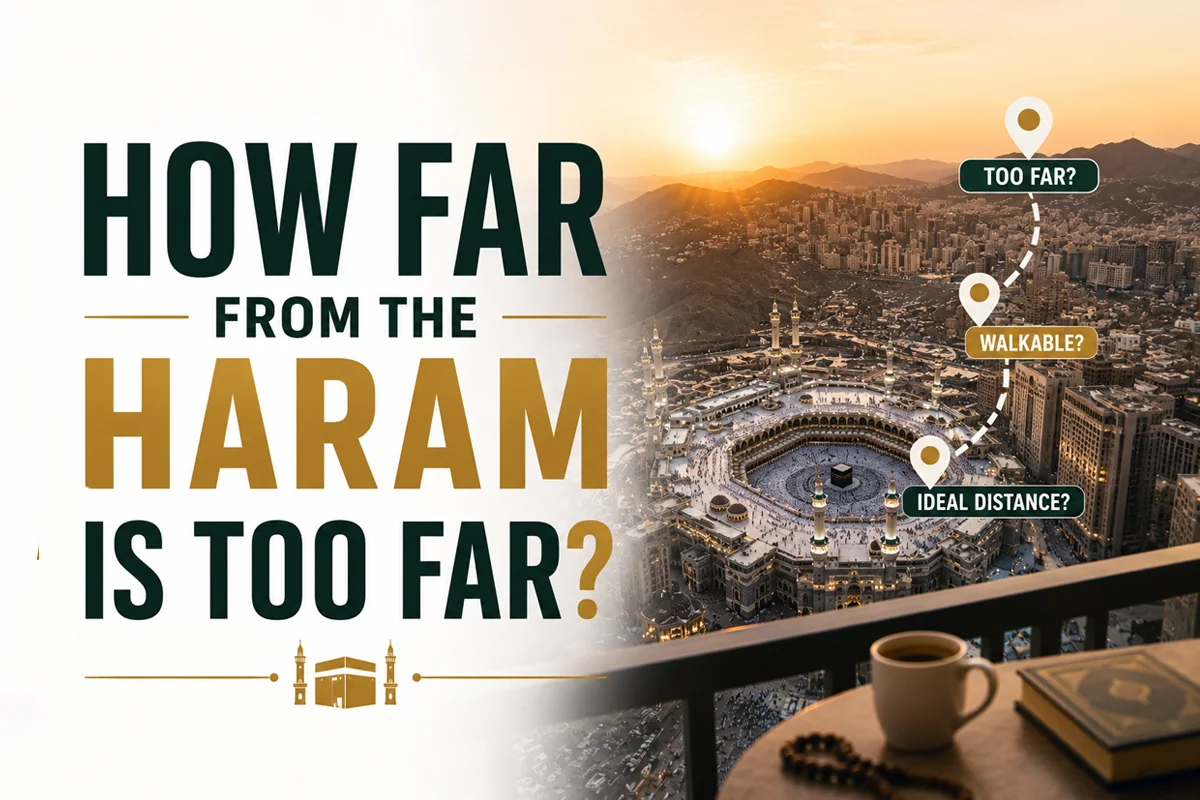
Walking times are door-to-nearest-gate estimates at an unhurried pace outside peak congregational prayer. Add five to fifteen minutes in Ramadan, on Fridays and in the hour around each prayer, when plazas fill and gates are managed. Our scores reflect the balance of location, comfort, service and value rather than price alone. For a wider explanation of how distance bands work in Makkah, see our guide to distance from the Haram.
1. Raffles Makkah Palace: all-suite luxury with 24-hour butler service
Overview
Raffles Makkah Palace is the quietest form of luxury available this close to the Grand Mosque. It is an all-suite hotel, which means there is no standard room category to be upgraded from; the entry-level accommodation is already a suite with a separate living area. It occupies a prime position within the King Abdulaziz Endowment development beside Masjid al-Haram, and its public spaces are deliberately restrained rather than theatrical. Where other hotels in the area feel like busy transit hubs, Raffles feels like a residence, and that difference is the reason many returning guests refuse to stay anywhere else.
Why choose this hotel
You choose Raffles when the experience around your worship matters as much as the proximity. The signature element is 24-hour butler service, a Raffles hallmark applied here to the specific rhythm of pilgrimage: a butler who knows you leave for Tahajjud, who can arrange Ihram to be pressed at midnight, who has dates and Zamzam water ready when you return, and who handles the small logistics that otherwise eat into rest. Combine that with suite-sized space and a calm arrival experience, and you get a hotel that suits travellers who find crowded lobbies genuinely draining.
Location
The hotel sits adjacent to the King Abdulaziz Endowment complex on the mosque side of Ibrahim Al Khalil Road, in the dense cluster of towers immediately south of Masjid al-Haram. Everything a pilgrim needs day to day, from pharmacies and money changers to a large shopping centre, is within the same few hundred metres, and the covered walkways of the complex mean you can handle most errands without a long spell in the sun.
Walking distance to Masjid al-Haram
Expect roughly five to eight minutes from suite door to the nearest gate at an unhurried pace: a lift ride down, a short indoor walk, then the plaza. In practice, the lift is the variable, not the pavement, and in Ramadan you should plan on ten to fifteen minutes if you are aiming to be inside for the start of congregational prayer. Many guests solve this by leaving thirty minutes early, praying in the hotel prayer area for less critical prayers, and treating Fajr and Isha as the walks worth making every time.
Room types
Accommodation is arranged as a ladder of suites rather than rooms. Entry categories offer a bedroom plus a separate sitting area and marble bathroom; mid-tier suites add more living space and better orientation, including Haram-facing aspects; and the largest signature and royal suites offer multiple bedrooms, dining tables that seat a family, and pantry areas suited to long stays. Because the ladder is built from suites, a family of four is often more comfortable in one Raffles unit than in two standard rooms elsewhere. Exact naming and layouts vary, so confirm bedroom count and view orientation in writing when booking.
Luxury amenities
- Butler service available around the clock, including packing, unpacking and pressing.
- Suite-standard bathrooms with generous amenities, and separate powder rooms in larger categories.
- Club-style lounge access in higher categories, typically with refreshments through the day.
- Dedicated prayer areas within the hotel, plus Zamzam water and dates as standard courtesies.
- Fitness facilities and, in the larger suites, spa-style bathrooms. As across Makkah, leisure facilities are modest by resort standards; the mosque, not the pool, is the centre of the stay.
- No alcohol is served anywhere in Saudi Arabia, so bar concepts are replaced by lounges serving coffee, juices and mocktails.
The Kaaba view experience
A significant number of suites face Masjid al-Haram, and the higher Haram-facing categories give the extraordinary experience of watching the Mataf from your own sitting room: circling pilgrims below, the mosque lit through the night, the sound of the adhan arriving through the glass. It is worth being precise about terminology, because hotels in Makkah use several. A Kaaba view means the Kaaba itself is visible; a Haram view means you see the mosque and courtyards but perhaps not the Kaaba directly; a partial view may be angled or interrupted by a neighbouring tower. Ask which of the three you are buying, and ask for the floor band, since the same category can feel very different eight floors apart.
Dining and restaurants
Dining is arranged around an all-day restaurant serving generous international and Arabic buffets at peak times, a lounge for lighter meals, afternoon tea and long conversations, and in-suite dining that runs through the night. This last point matters more than it sounds: after Tawaf at 2am, the ability to order a proper meal to your suite rather than hunting for an open restaurant is one of the practical luxuries you are paying for. Iftar and Suhoor service in Ramadan is a set-piece here and books out early. For meals outside the hotel, our guide to food near the Haram covers the surrounding options.
Family facilities
Families do well here for one structural reason: space. Multi-bedroom suites let grandparents, parents and children share one address with separate sleeping areas, and butler service absorbs a great deal of the logistics that wear families down, from extra towels at midnight to arranging a taxi for a Ziyarat morning. There is no children's club culture in Makkah hotels, and you should not expect one; what you get instead is quiet, room to spread out and staff who are unfazed by early risers. Read our guide to performing Umrah with family for the wider planning picture.
Business facilities
Makkah is not a conference city, and the business traveller here is usually someone combining Umrah with meetings. Raffles handles that well: suites double as private meeting spaces, the lounge offers a discreet setting for one-to-one conversations, and business-centre services such as printing and secretarial support are available on request. Larger events are generally better hosted in Jeddah, an hour and a half away, or in the bigger ballroom-equipped properties in the district.
Accessibility for elderly pilgrims
The route from the hotel to the mosque is largely level once you are out of the lifts, and wheelchairs can be arranged through the concierge. The consideration is the lift journey during peak times in a tall building, which can add minutes at exactly the moment you do not want them. Elderly guests generally find the pattern that works within a day: travel down early, use the accessible gates and the upper floors of the mosque where the pace is gentler, and return outside the crush. Our Haram wheelchair and accessibility guide covers gates, ramps and hire points in detail.
Shopping nearby
The large mall inside the neighbouring Abraj Al Bait complex is a few minutes away under cover, with international brands, perfume and oud houses, prayer garments, dates and gold. Around Ibrahim Al Khalil Road you will also find the smaller shops that pilgrims actually use most: tailors, luggage sellers, phone accessories and inexpensive souvenirs. Prices in the mall are fixed; the street shops expect a little negotiation.
Nearby attractions
Masjid al-Haram and the Holy Kaaba are the reason you are here, and Safa and Marwa sit within the mosque itself, reached through the Mas'a galleries. Beyond that, the Abraj Al Bait complex, the Clock Tower and its museum are within ten minutes on foot. Jabal al-Nour with the Cave of Hira, Masjid Aisha at Taneem for a second Umrah, and the Kiswa factory are all short drives rather than walks; our Makkah Ziyarat guide sets out a sensible order for visiting them.
Transportation
Most guests arrive from King Abdulaziz International Airport in Jeddah, roughly 90 kilometres away, which takes about an hour and a half by private car in normal traffic. The hotel can arrange limousine transfers, and pre-booking a private car from Jeddah airport to Makkah is usually calmer and better priced than negotiating on arrival. Careem and Uber both operate in Makkah, although pick-up points near the Haram are restricted at peak times and drivers may ask you to walk to a designated bay.
Pros and things to consider
- All-suite accommodation: separate living space in every category.
- 24-hour butler service that genuinely reduces friction during Umrah.
- Calm, private atmosphere and a quieter lobby than neighbouring towers.
- Excellent Haram and Kaaba-facing suites with wide glass.
- Strong choice for multi-generational families in one unit.
- The highest nightly rates of the three, especially in Ramadan.
- Lift times in a tall building can stretch the walk at peak prayer.
- Leisure facilities are modest compared with resort-style Raffles properties elsewhere.
- Fewer casual, low-cost dining options inside the hotel itself.
Who should stay here
Luxury travellers who value privacy, couples on a milestone trip, VIP and high-profile guests, and multi-generational families who want one large suite rather than several rooms. It is also a strong choice for anyone whose stay is short and who wants every hour to feel restorative.
Editor's verdict
Raffles Makkah Palace is the most complete luxury experience in the immediate Haram area, and the butler service is not a gimmick: it changes how a pilgrimage feels when you are tired. If your budget reaches it and privacy matters to you, this is the address. If your priority is the shortest possible walk with elderly parents, read the next section first.
2. InterContinental Dar Al Tawhid Makkah: the shortest, easiest walk to the Haram
Overview
If the first hotel wins on privacy, this one wins on the thing pilgrims talk about most once they are home: how short the walk was. InterContinental Dar Al Tawhid Makkah stands directly opposite King Fahd Gate, one of the principal entrances to Masjid al-Haram, and that single fact reorganises a whole trip. It is a long-established, well-run property with the settled feel of a hotel that has hosted pilgrims for decades, and its service style leans on traditional Arabian hospitality rather than fashionable design. Guests who return year after year tend to do so because the hotel is predictable in the best sense.
Why choose this hotel
Choose it when the walk is the deciding factor. With elderly parents, young children, or a schedule built around praying all five daily prayers inside the mosque, being able to leave your room and be through a gate in minutes is worth more than any amenity. The hotel also holds a reliable middle ground in price between the all-suite luxury of Raffles and the sheer scale of the Clock Tower, which makes it the most broadly sensible recommendation of the three for ordinary family travel at a high standard.
Location
The hotel occupies a corner position on Ibrahim Al Khalil Road facing the King Fahd Gate side of the mosque, on the western flank of the Haram. This is the busiest pedestrian axis in Makkah, lined with restaurants, pharmacies, money changers and shops, and the mosque is visible from the pavement outside the door. Practically, it means you can send someone out for a forgotten Ihram belt or a SIM card in five minutes, and it means taxi drivers know exactly where you mean without explanation.
Walking distance to Masjid al-Haram
Roughly two to five minutes from the lobby to King Fahd Gate, which is as close as a luxury hotel gets in Makkah. Allow extra time in Ramadan and on Fridays, when the plaza in front of the gate fills long before the adhan and crowd management routes pedestrians in loops. For elderly pilgrims, the significance is not just the distance but the simplicity: one road crossing, no mall corridors, no long descent through a tower.
Room types
The property offers a conventional and useful ladder: well-proportioned deluxe rooms, larger premium and club-category rooms, and a range of suites including family-sized layouts with separate living areas. Views split into Haram-facing categories, which look towards the mosque and in the better positions take in the Kaaba, and city-facing categories, which are quieter and considerably cheaper. Connecting rooms are available and are the usual solution for families of five or six; request them at the time of booking rather than on arrival, since they are the first inventory to go.
Luxury amenities
- Club-lounge style benefits in higher categories, typically including breakfast and refreshments through the day. Availability varies by season, so confirm when you book.
- Concierge assistance with Ziyarat arrangements, Ihram, laundry and airport transfers.
- Prayer facilities inside the hotel for the prayers you cannot make in the mosque.
- 24-hour in-room dining, which matters when you return after midnight Tawaf.
- Fitness facilities; as elsewhere in Makkah, expect a well-equipped gym rather than a resort spa complex.
The Kaaba view experience
Because the hotel faces the mosque across a relatively short distance, Haram-view rooms here feel intimate rather than aerial. You are close enough to see individual pilgrims, to hear the mosque clearly, and to watch the courtyards fill in the twenty minutes before prayer. From well-placed higher rooms the Kaaba itself is visible. This is a different pleasure from the panorama offered by a tower: less spectacle, more presence. If a confirmed view of the Kaaba is essential to you, put it in writing at booking, ask for a floor band, and be aware that neighbouring construction and towers can interrupt sightlines in the lower categories.
Dining and restaurants
Dining is one of the property's strengths. The main all-day restaurant runs substantial international and Middle Eastern buffets with hours that flex around prayer times, and there are additional outlets and a lobby lounge for lighter meals, Arabic coffee and late-night snacks. Breakfast is served early enough for guests returning from Fajr, and Iftar and Suhoor in Ramadan are large, well-organised affairs that should be reserved in advance. Families with fussy eaters generally find the buffet format easier than a la carte, and the surrounding streets add everything from Turkish and Lebanese grills to familiar fast food within a two-minute walk.
Family facilities
This is the most family-practical of the three hotels. Connecting rooms and family suites, a short step-free walk to the mosque, a lobby you can reach from the street without navigating a mall, and buffets that suit children combine into a low-friction stay. Cots and extra beds can be arranged, and the concierge is used to organising Ziyarat cars for a family group. The one thing to plan around is the noise and density of Ibrahim Al Khalil Road: choose a higher floor if light sleepers are travelling with you.
Business facilities
The hotel is well set up for the business-plus-Umrah traveller, with meeting space, business-centre services and reliable connectivity, and its central location makes it easy for local contacts to reach you. It is also a practical base for tour operators and group leaders who need to brief people, precisely because the mosque is across the road and briefings can be short. For large corporate events, Jeddah remains the more logical venue.
Accessibility for elderly pilgrims
This is where the hotel is genuinely difficult to beat. The route is short, largely flat, and does not depend on long lift journeys or indoor detours. Wheelchairs can be arranged, and King Fahd Gate provides access to the mosque's accessible routes and upper levels, where circumambulation is slower and less crowded. Families travelling with someone frail often build the whole trip around a hotel like this one, then use the saved energy for an extra prayer inside the mosque rather than for the walk.
Shopping nearby
You are on the best pedestrian shopping strip in central Makkah. Immediately outside are prayer garments, abayas, attar and oud, dates, luggage and electronics; a short walk brings you to the large mall inside the Abraj Al Bait complex for international brands and gold. Shops close briefly around each prayer, which catches first-time visitors by surprise; our note on prayer times and shop closures explains the pattern.
Nearby attractions
Masjid al-Haram and the Holy Kaaba are directly across the road, with Safa and Marwa inside the mosque and reached through the Mas'a. King Fahd Gate is your reference point for everything. The Abraj Al Bait complex, its Clock Tower and museum, and the King Abdulaziz Endowment towers are five to ten minutes on foot. Jabal al-Nour, Masjid Aisha at Taneem, the Kiswa factory and Makkah's museums are drives of fifteen to thirty minutes. On Zamzam, one clarification is worth making because it appears constantly in older articles: the well itself sits beneath the Mataf and is not open to visitors, but Zamzam water is freely available from dispensers throughout the mosque and from the hotel.
Transportation
Jeddah's King Abdulaziz International Airport is about 90 kilometres away, typically an hour and a half by car; the hotel arranges transfers, and pre-booked private cars are the least stressful option after a long flight. The Haramain High Speed Railway station at Ar Rusayfah is a fifteen to twenty minute drive, and is the most comfortable way to reach Madinah in a little over two hours; see our Haramain train guide. Careem and Uber operate widely, city buses serve the Haram area, and for Ziyarat a pre-booked car with a driver who waits is far more efficient than app-hailing between sites.
Pros and things to consider
- Among the shortest walks to Masjid al-Haram of any luxury hotel, directly opposite King Fahd Gate.
- Outstanding for elderly pilgrims and families: simple, level, short route.
- Strong buffet dining with prayer-aware hours.
- Connecting rooms and family suites in useful numbers.
- Generally better value than the two towers for comparable comfort.
- Busy, noisy street position; lower floors can be loud.
- Classic rather than contemporary interiors in some categories.
- Haram-view rooms are in high demand and priced accordingly.
- No mall directly inside the building, unlike the Clock Tower complex.
Who should stay here
Families, elderly pilgrims, first-time visitors who want simplicity, and anyone determined to pray all five prayers in the mosque without exhausting themselves. It is also the sensible pick for group leaders and for travellers who value practicality over spectacle.
Editor's verdict
For most travellers most of the time, InterContinental Dar Al Tawhid is the smartest booking of the three. It converts its location into fewer steps, less heat and more prayers inside the Haram, and it does so at a price that leaves something in the budget for Madinah. If you want a view that stops conversation, however, the Clock Tower is next.
3. Makkah Clock Royal Tower, A Fairmont Hotel: panoramic Kaaba views and everything under one roof
Overview
The Makkah Clock Royal Tower is the building you have already seen in photographs: the central, clock-crowned tower of the Abraj Al Bait complex, rising directly above the Haram and among the tallest hotels in the world. Inside is a Fairmont, and the scale is part of the experience. This is a hotel with a vast inventory of rooms and suites, several restaurants, a large prayer hall oriented towards the mosque, and direct access to a multi-level shopping centre. If Raffles is a residence and the InterContinental is a well-placed classic, the Fairmont is a vertical city that happens to look at the Kaaba.
Why choose this hotel
Two reasons dominate. The first is the view: from the upper floors, Haram-facing rooms give a panorama of the mosque, the Mataf and the city beyond that no low-rise hotel can match. The second is self-containment. On days when you have no intention of leaving the complex, you do not have to: prayers in the hotel prayer hall, meals across several restaurants, shopping downstairs, pharmacy and money exchange in the mall. For first-time visitors, families arriving jet-lagged, and travellers visiting in the height of summer, that convenience is worth a great deal.
Location
The tower sits within the King Abdulaziz Endowment complex immediately opposite the King Abdulaziz Gate side of Masjid al-Haram, separated from the mosque by a plaza. The location is as central as Makkah gets, and it is the reference landmark for the entire city: give a driver the Clock Tower and there is no ambiguity. The trade-off for that centrality is congestion, particularly around prayer times and in Ramadan, when the plazas surrounding the complex become one of the densest pedestrian environments anywhere.
Walking distance to Masjid al-Haram
Allow five to ten minutes from room to gate outside peak times, and be honest with yourself about where the time goes: most of it is vertical. A room on a high floor means a lift ride, a walk through the podium levels, then the plaza and the gate. In Ramadan, and in the half hour before congregational prayers, fifteen to twenty minutes is realistic. Guests who understand this build their day around it, going down once and staying in the mosque between prayers rather than making the return journey four times.
Room types
The range is wide: standard rooms in several view categories, larger deluxe and club-level rooms, and a substantial number of suites including multi-bedroom layouts for families and larger groups. The critical variable is not size but orientation and height. A Haram-facing room on a high floor and a city-facing room on a low floor may share a category name and offer completely different experiences. Higher categories typically include lounge access with breakfast and refreshments through the day, which for a family can offset a surprising amount of the rate difference.
Luxury amenities
- A large prayer hall inside the hotel, oriented towards Masjid al-Haram, used heavily when the mosque is at capacity.
- Club and executive lounge benefits in higher room categories.
- Multiple restaurants and cafes within the hotel, plus 24-hour in-room dining.
- Direct indoor access to the Abraj Al Bait shopping mall, which is a genuine advantage in summer heat.
- Concierge, limousine desk, laundry, business services and multilingual staff throughout.
- The Clock Tower museum and observation levels are within the same tower complex, an easy add-on for families.
The Kaaba view experience
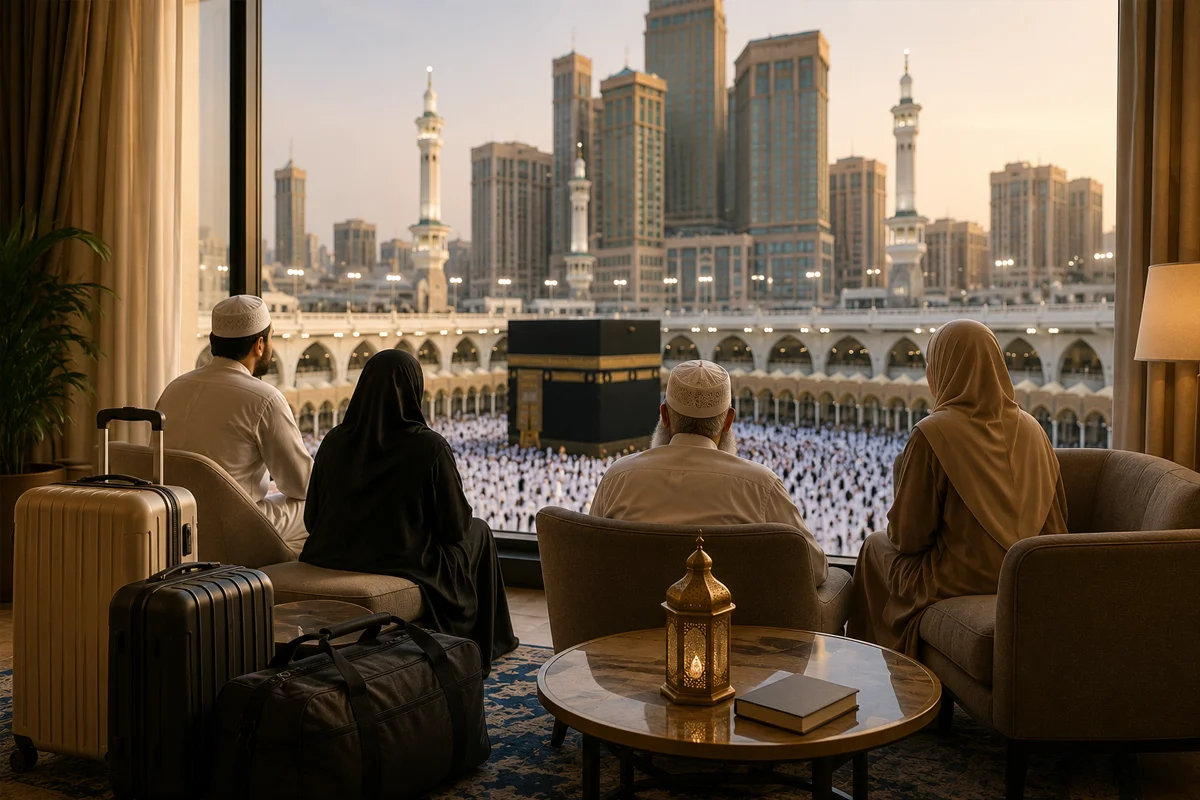
This is the hotel people book specifically for the view, and at its best it is unforgettable: the Mataf directly below, white-clad pilgrims circling without pause, the mosque glowing after Isha, the adhan rising through the glass. Two practical notes. First, height changes the character of the view completely; very high floors give breadth and abstraction, while mid floors keep human detail. Second, category names vary and the premium is steep, so confirm in writing whether you are buying a full Kaaba view, a Haram view, or a partial or angled view, and ask about the floor range. If the view is the point of the trip, book early: these categories sell out first in every season.
Kaaba-view rooms in the Clock Tower can cost two to three times the price of a comparable city-view room in the same hotel. A useful compromise for longer stays is to book a city-view room for most nights and a Kaaba-view room for one or two nights, giving you the experience without paying the premium across the entire trip.
Dining and restaurants
Dining choice is the widest of the three hotels. Expect large international buffet restaurants, Middle Eastern and Asian options, cafes and lounges for lighter meals, and in-room dining around the clock. Because the hotel is so large, buffets are built for volume and run long, prayer-aware hours, which is a real advantage for families who cannot all eat at the same time. Ramadan Iftar and Suhoor here are on a scale unmatched in the city and require advance reservations. Beyond the hotel, the mall food courts add quick, inexpensive options that children usually prefer, and the wider selection near the Haram is covered in our dining guide for the Haram area.
Family facilities
Families benefit from the self-contained nature of the complex more than from any single facility. Multi-bedroom suites and connecting rooms are available, the mall covers pharmacies, snacks and entertainment, and no one has to walk outside in 45-degree heat to find dinner. The counterweights are crowds and lift queues; with a pushchair, plan movements outside prayer times and use the quieter podium routes. Ask at check-in for the current recommended pedestrian route to the nearest gate, since these are adjusted seasonally by the authorities.
Business facilities
Of the three, this hotel has the most substantial meeting and event infrastructure, along with business-centre services, extensive club-lounge workspace and the connectivity a working guest needs. It suits delegations, tour operators managing large groups, and executives combining Umrah with meetings, simply because everything from a printer to a private dining room is inside the building. Very large conferences still belong in Jeddah, but for meetings on the margins of a pilgrimage this is the most capable address near the Haram.
Accessibility for elderly pilgrims
The building is fully lift-served and the internal routes are step-free, but the total journey is longer and busier than at the InterContinental, and lift waits at peak times are the main obstacle. Wheelchairs can be arranged, and the plaza to King Abdulaziz Gate is level. Families travelling with frail relatives often adopt a simple strategy here: use the hotel prayer hall for midday prayers and reserve the walk for Fajr and Isha, when crowds are lighter and the temperature is kinder. Details on accessible gates and mosque routes are in our accessibility guide.
Shopping nearby
No hotel near the Haram is better placed for shopping. The Abraj Al Bait mall occupies the podium levels directly beneath the towers, with international fashion, electronics, perfume and oud, gold, dates, prayer garments and food courts across several floors, all reachable without stepping outside. Street-level shops along Ibrahim Al Khalil Road are a few minutes away for cheaper souvenirs, and Makkah Mall is a fifteen to twenty minute drive for a fuller local shopping trip.
Nearby attractions
Masjid al-Haram and the Holy Kaaba are across the plaza, with Safa and Marwa inside the mosque. The Clock Tower museum and observation levels are in the same complex. The King Abdulaziz Endowment towers, including the neighbouring luxury hotels, surround you. Further afield, Jabal al-Nour and the Cave of Hira, Jannat al-Mualla, Masjid Aisha at Taneem and the Kiswa factory are drives of fifteen to thirty minutes, and Taif makes a comfortable day trip if you have a spare morning; see our Taif day trip guide.
Transportation
Transfers from Jeddah airport take about an hour and a half by private car, and the hotel operates a limousine desk. Because the complex is a designated landmark, drop-off and pick-up points are strictly managed at peak times, and ride-hailing pick-ups may be moved to bays a few minutes' walk away. The Haramain railway station is fifteen to twenty minutes by road, and Makkah's bus network serves the Haram area; our guide to Careem and Uber in Makkah and Madinah explains how app pick-ups work around the mosque.
Pros and things to consider
- The most spectacular Kaaba panoramas of the three hotels.
- Large prayer hall inside the hotel facing Masjid al-Haram.
- Widest dining choice, plus direct indoor access to a major mall.
- Best meeting and business infrastructure near the Haram.
- Iconic, unmistakable location that every driver knows.
- Scale brings crowds; lift waits can be long at peak prayer times.
- Room-to-gate time is longer than the raw distance suggests.
- Kaaba-view premiums are the steepest in the city.
- Less private and less personal than an all-suite hotel.
Who should stay here
Travellers whose priority is the view, first-time visitors who want the landmark experience, families who value having shops and restaurants indoors, summer travellers avoiding the heat, and business guests needing meeting facilities near the mosque.
Editor's verdict
The Clock Tower delivers something the other two cannot: a panorama of the Kaaba from your own window, with a mall, a prayer hall and a dozen dining options beneath you. Accept the crowds and the lift times as the price of that, book a Haram-facing room on a high floor, and it is the most memorable stay of the three.
Hotel comparison: how the three properties differ
Short answer: Raffles leads on luxury, privacy and room size; the InterContinental leads on walking distance, family practicality and accessibility; the Fairmont leads on views, dining choice, shopping and business facilities.
Comfort, space and service
| Criterion | Raffles Makkah Palace | InterContinental Dar Al Tawhid | Makkah Clock Royal Tower (Fairmont) |
|---|---|---|---|
| Luxury level | Highest: all-suite, butler service | High: classic five-star | High: large-scale five-star |
| Room size | Largest, suites only | Generous rooms and suites | Wide range, from standard rooms to large suites |
| Privacy and calm | Excellent | Good | Moderate: busy by design |
| Dining choice | Focused, high quality | Strong buffets, good variety | Widest choice of the three |
| Business facilities | Suitable for private meetings | Good meeting rooms, central | Most extensive meeting and event space |
| Accessibility | Good, lift-dependent | Best: short, level route | Good, but longer internal journey |
Location, views and value
| Criterion | Raffles Makkah Palace | InterContinental Dar Al Tawhid | Makkah Clock Royal Tower (Fairmont) |
|---|---|---|---|
| Walking distance to Haram | 5-8 minutes | 2-5 minutes | 5-10 minutes |
| Nearest main gate | King Abdulaziz Gate side | King Fahd Gate, directly opposite | King Abdulaziz Gate side |
| Kaaba views | Excellent from Haram-facing suites | Close and intimate from Haram-facing rooms | Panoramic from high floors |
| Family experience | Very good, multi-bedroom suites | Excellent, connecting rooms and short walk | Very good, self-contained complex |
| Shopping access | Mall a few minutes away under cover | Street shopping outside the door | Direct indoor mall access |
| Indicative price level | Highest | Mid to upper | Upper, with steep view premiums |
| Overall recommendation | Best for luxury and privacy | Best all-round for families and elderly pilgrims | Best for views and convenience |
Best hotel for each type of traveller
| Traveller | Our pick | Why |
|---|---|---|
| Families with children | InterContinental Dar Al Tawhid | Connecting rooms, easy buffets and a two-to-five minute walk that small legs can manage several times a day. |
| Couples | Raffles Makkah Palace | Suite space, quiet public areas and butler service make a short trip feel unhurried and private. |
| Elderly pilgrims | InterContinental Dar Al Tawhid | The shortest, flattest, simplest route to a main gate, with wheelchair support and accessible mosque entrances nearby. |
| Luxury travellers | Raffles Makkah Palace | The highest service ratio of the three, all-suite accommodation and the calmest arrival experience. |
| Honeymoon or milestone trips | Raffles Makkah Palace | Privacy, generous suites and in-suite dining suit couples who want the trip to feel special without being showy. |
| VIP and high-profile guests | Raffles Makkah Palace | Discreet arrival, butler service and large signature suites with dedicated attention. |
| Business travellers | Makkah Clock Royal Tower (Fairmont) | The most meeting space, club lounges to work from and an address every visitor can find. |
| First-time visitors | Makkah Clock Royal Tower (Fairmont) | Everything is inside one complex, which removes decisions on a first trip; the landmark position is also easy to orient by. |
| Travellers wanting Kaaba views | Makkah Clock Royal Tower (Fairmont) | The widest choice of high-floor Haram-facing rooms and the broadest panorama, provided you book the right category early. |
| Large multi-generational groups | Raffles Makkah Palace or InterContinental | Multi-bedroom suites at Raffles keep everyone together; connecting rooms at the InterContinental cost less and walk better. |
Nearby attractions and realistic walking times
Almost everything a pilgrim needs is within a fifteen-minute radius, and the rest is a short drive. Times below are from the three hotels described above, at a moderate pace, outside peak prayer.
| Place | What it is | Approx. time on foot |
|---|---|---|
| Masjid al-Haram and the Holy Kaaba | The Grand Mosque and the Kaaba at its centre | 2-10 minutes depending on hotel |
| King Fahd Gate | Major western entrance, opposite the InterContinental | 1-5 minutes |
| King Abdulaziz Gate | Principal entrance facing the Abraj Al Bait complex | 3-8 minutes |
| Safa and Marwa | The Sa'i galleries, inside the mosque | 5-15 minutes, including the walk inside |
| Zamzam Well | Beneath the Mataf; not open to visitors, but Zamzam water is available throughout the mosque | Inside the mosque |
| Abraj Al Bait and the Clock Tower | Landmark complex with mall, museum and observation levels | 0-10 minutes |
| King Abdulaziz Endowment complex | The waqf development housing the towers and mall | 0-8 minutes |
| Abraj Al Bait Mall | Multi-level shopping beneath the towers | 2-8 minutes, mostly indoors |
| Ibrahim Al Khalil Road shops and restaurants | The main pilgrim high street | 1-5 minutes |
| Jabal Omar district | Neighbouring hotel and retail district with pedestrian links | 10-15 minutes |
| Jabal al-Nour and the Cave of Hira | Historic ziyarat site with a demanding climb | 15-25 minutes by car |
| Masjid Aisha (Taneem) | Where many pilgrims enter Ihram for a second Umrah | 20-30 minutes by car |
| Kiswa factory and the Two Holy Mosques exhibition | Where the Kaaba covering is made, plus historical exhibits | 20-30 minutes by car |
Dining guide: where to eat near Masjid al-Haram
Central Makkah feeds millions of visitors a year, which means the food is more varied than most first-timers expect, from hotel fine dining to the small grills that pilgrims from every continent eat at nightly. Note that no alcohol is served anywhere in Saudi Arabia, and that most venues close briefly for each prayer.
Luxury and hotel dining
The strongest fine-dining experiences near the Haram are inside the hotels themselves, particularly the signature restaurants and lounges at Raffles and the larger speciality outlets in the Clock Tower. Expect Arabian and international menus, elegant service and views as part of the pricing. Reserve for Iftar and Suhoor in Ramadan weeks ahead.
Family and buffet dining
For groups with children or mixed appetites, the hotel buffets at the InterContinental and the Fairmont are the practical answer: long hours, everything in one place, and no waiting when someone needs to leave for prayer. Outside the hotels, the mall food courts in Abraj Al Bait cover pizza, grills, chicken and familiar international chains at much lower prices.
Traditional Saudi and regional cuisine
Look for kabsa and mandi, slow-cooked lamb or chicken over spiced rice, served in large shared platters; jareesh and haneeth appear on more traditional menus; and Hijazi specialities such as saleeg reward anyone willing to ask staff for a local recommendation. Around Ibrahim Al Khalil Road, Turkish, Egyptian, Lebanese, Pakistani, Indian, Indonesian and Malaysian kitchens sit side by side, which is one of the quiet pleasures of eating in Makkah.
Cafes and late-night options
Arabic coffee with dates is available everywhere, and international coffee chains operate around the mosque and inside the mall. Because so much of the day happens at night here, many cafes and restaurants stay open until Suhoor, particularly in Ramadan. In-room dining at all three hotels runs 24 hours, which is the simplest option after late Tawaf. For a fuller list of options by budget, see our guide to food near the Haram.
Getting there and getting around
Jeddah airport transfers
King Abdulaziz International Airport in Jeddah is the usual gateway, roughly 90 kilometres from central Makkah and about an hour and a half by road in normal conditions, longer during Hajj and Ramadan. Options are a pre-booked private car, which is the calmest choice after a long flight and lets you agree the fare in advance; a hotel limousine, which costs more but is seamless; official airport taxis; and shared coaches, which are cheapest but slow. Our Jeddah airport to Makkah prices and tips guide compares them, and you can pre-book a private transfer before you fly.
Taxis and ride-hailing
Careem and Uber both operate in Makkah and are generally cheaper than street taxis, which rarely use meters and expect negotiation. The complication near the Haram is access: vehicle movement around the mosque is restricted at peak times, so your driver may ask you to meet at a designated bay a few minutes' walk away. Save the pin for the hotel entrance rather than the mosque, and allow extra time on Fridays.
Walking
Walking is how Makkah works. Pavements around the Haram are wide, well lit and busy at every hour, and the whole hotel district is walkable. In summer, walk early or after Isha, keep to shaded and indoor routes, and carry water; in Ramadan, expect crowd management to lengthen routes.
Hotel transport and shuttles
All three hotels arrange airport transfers, Ziyarat cars and Madinah transfers through their concierge desks. Some hotels in the wider district operate shuttles to the Haram; for the three properties here, the walk is short enough that shuttles are rarely relevant.
Trains and buses
The Haramain High Speed Railway connects Makkah with Jeddah, King Abdulaziz airport and Madinah, with the Makkah station a fifteen to twenty minute drive from the Haram; it is the most comfortable way to reach Madinah. Makkah's city buses serve the mosque area cheaply and are useful for longer local journeys. If you plan to continue to Madinah, our Makkah to Madinah transport guide compares train, private car and flying.
Best time to book, and how prices move
Short answer: Ramadan, especially the last ten nights, and the Hajj period are the most expensive and constrained times to stay; the quietest and best-value weeks are generally outside school holidays in autumn and late spring.
Ramadan
Demand peaks and rates rise steeply, with the last ten nights often several times the off-peak price and minimum-stay requirements common. Book six to nine months ahead if these dates matter to you, and read our Umrah in Ramadan guide before committing, because the experience is extraordinary but physically demanding.
Hajj season
During the Hajj period, hotel inventory close to the Haram is heavily committed and pricing is exceptional. Independent leisure bookings are difficult, and arrangements are usually made through authorised operators. If your travel dates fall near the Hajj window, confirm availability before booking flights.
Umrah shoulder seasons
The weeks after Ramadan and the period before the Hajj season are noticeably calmer, with more inventory, better upgrade prospects and shorter queues in the mosque. Many experienced pilgrims deliberately travel then, gaining a gentler experience for a lower price.
Winter
Roughly November to February brings the most comfortable weather, with pleasant days and cool evenings, making it the best season for elderly pilgrims and long walks. It coincides with European and Gulf holidays, so expect firm rather than bargain pricing.
Summer
June to September is very hot, frequently above 40C, and this is when hotel choice matters most. Indoor routes, direct mall access and a short walk to a gate are worth paying for in summer. Rates are usually lower outside Ramadan, which makes summer the best value if you can manage the heat by walking at night.
School holidays
Gulf, South Asian and UK school holidays produce reliable family-travel peaks, especially for connecting rooms and family suites, which sell out before standard rooms. If you need a specific family configuration, book it as early as you can rather than hoping to arrange it at check-in. For month-by-month conditions, see our month-by-month guide to Saudi cities.
Money-saving tips that do not spoil the stay
- Split your view nights. Book a city-view room for most of your stay and one or two nights in a Kaaba-view category. You keep the experience and cut the premium substantially.
- Buy the lounge, not the view. A club-level room with breakfast and all-day refreshments often costs less than a view upgrade and saves a family a meaningful amount in food each day.
- Book flexible rates early, then re-check. Secure a refundable rate nine to twelve months out for peak dates, then monitor. Cancel and rebook only if a genuinely better rate appears.
- Compare one suite against two rooms. For families of five or six, a multi-bedroom suite can undercut two Haram-view rooms while providing more usable space.
- Travel in the shoulder weeks. Shifting a trip by two or three weeks away from Ramadan or school holidays can change the price band entirely.
- Join the loyalty programmes. Accor and IHG membership costs nothing and often produces late checkout, room-category upgrades or breakfast, all of which have real value on a pilgrimage schedule.
- Book transport separately. A pre-booked private car from Jeddah airport is usually cheaper than a hotel limousine for the same journey and comfort.
- Ask about long-stay rates. Stays of seven nights or more, common for Umrah, sometimes attract unpublished reductions, particularly outside peak dates.
- Confirm what is included. Breakfast, taxes, service charges and Wi-Fi vary by rate plan; a slightly higher inclusive rate is often the cheaper booking once the extras are counted.
For a fuller picture of what a trip costs once flights, transport and food are included, see our Umrah cost breakdown.
Practical travel tips for your stay
Families
Book connecting rooms or a multi-bedroom suite in advance, agree a meeting point inside the mosque before you enter, and give older children a card with the hotel name in Arabic and English. Plan one main outing a day and use the room for rest between prayers.
Elderly pilgrims
Choose the shortest walk you can afford, arrange a wheelchair through the concierge rather than at the gate, and use the mosque's upper levels, where Tawaf and Sa'i are slower and less crowded. Keep medication in hand luggage and carry a written list of prescriptions.
First-time Umrah travellers
Enter Ihram before the boundary, learn the sequence of Tawaf and Sa'i before you arrive, and do not attempt everything on the first night after a long flight. Our first-time Umrah travel guide and packing checklist cover the details.
International travellers
Confirm your visa route before booking non-refundable hotels, download the Nusuk app and set up a local SIM or eSIM on arrival, and expect card payments to be accepted almost everywhere while keeping small cash for street shops and tips. Modest dress is expected throughout the city.
Frequently asked questions
Which hotel is closest to Masjid al-Haram?
Of these three, InterContinental Dar Al Tawhid Makkah is closest in practical terms, standing directly opposite King Fahd Gate with a walk of roughly two to five minutes from lobby to gate.
Which hotel has the best Kaaba view?
Makkah Clock Royal Tower, A Fairmont Hotel, offers the most panoramic Kaaba views from its high floors. Raffles Makkah Palace provides excellent Haram-facing suite views, and the InterContinental gives a closer, more intimate outlook.
Which hotel is best for families?
InterContinental Dar Al Tawhid, thanks to connecting rooms and family suites, buffet dining with flexible hours, and a short level walk that children can manage several times a day.
Which hotel offers butler service?
Raffles Makkah Palace, where 24-hour butler service is a signature part of the all-suite offer, covering unpacking, pressing, reservations and in-suite dining support.
Which hotel is best for elderly pilgrims?
InterContinental Dar Al Tawhid. The route to King Fahd Gate is short, flat and free of long lift journeys or mall corridors, and wheelchairs can be arranged through the concierge.
Which hotel is best for luxury travellers?
Raffles Makkah Palace. It has the highest service ratio of the three, the largest accommodation, and a notably calmer, more private atmosphere.
Which hotel is best during Umrah?
For most pilgrims, InterContinental Dar Al Tawhid offers the best balance of proximity, comfort and price during Umrah. Choose Raffles if privacy matters more, or the Fairmont if you want views and shopping in the same building.
Are all three hotels five-star?
Yes. All three are internationally branded five-star properties operated by Accor, IHG and Accor's Fairmont brand respectively, and all sit within walking distance of the Grand Mosque.
How much do luxury hotels near the Haram cost?
Rates vary enormously by season and view category rather than by a fixed price. Expect the lowest rates in quiet non-Ramadan weeks, mid to upper pricing in winter, and several times those levels during Ramadan and the last ten nights. Kaaba-view categories typically cost two to three times a comparable non-view room. Always check live rates for your dates.
Is a Kaaba-view room worth the extra cost?
For a short trip, or a first or milestone visit, many travellers find it worthwhile. For longer stays, a practical compromise is a non-view room for most nights plus one or two nights with a view, since you will spend most waking hours inside the mosque.
Do these hotels have prayer facilities?
Yes. All three provide prayer areas, and Makkah Clock Royal Tower has a large prayer hall oriented towards Masjid al-Haram, which is heavily used when the mosque reaches capacity.
Can non-Muslims stay in these hotels?
No. Entry to the city of Makkah is restricted to Muslims, so non-Muslim travellers cannot stay at hotels near Masjid al-Haram. They are welcome in Jeddah, Taif, Riyadh, AlUla and the rest of Saudi Arabia.
Do the hotels serve alcohol?
No. Alcohol is prohibited throughout Saudi Arabia. Hotels offer coffee lounges, juice bars and mocktails instead, and all dining is halal.
How far is Jeddah airport from these hotels?
King Abdulaziz International Airport is about 90 kilometres away, generally an hour and a half by private car, with longer journeys during Ramadan and Hajj. All three hotels can arrange transfers, and pre-booking a private car is usually calmer and better priced.
Do these hotels provide shuttles to the Haram?
Shuttle services are more relevant to hotels further out, such as those in Jabal Omar and along the ring roads. For these three properties the walk is short enough that shuttles are rarely needed.
When should I book for Ramadan?
Six to nine months in advance for Ramadan, and as early as possible for the last ten nights, when minimum-stay rules and premium pricing are standard. Refundable rates booked early are the safest approach.
Which hotel is best for business travellers?
Makkah Clock Royal Tower. It has the most meeting and event space near the Haram, club lounges suitable for working, and a landmark address that visitors can find easily.
Can I visit the Zamzam Well?
No. The well sits beneath the Mataf and is not open to visitors. Zamzam water is freely available from dispensers throughout Masjid al-Haram and is served in the hotels. Rules on carrying it home are covered in our Zamzam airline rules guide.
Do these hotels have swimming pools and spas?
Leisure facilities in Makkah are modest compared with resort hotels elsewhere. Fitness centres are standard; swimming pools and full spas are not, and availability varies. Check with the property if this matters to you.
Which hotel offers the most privacy?
Raffles Makkah Palace, by a clear margin. Its all-suite layout, smaller public areas and butler-led service model keep contact with crowds to a minimum.
Which one should you book?
All three hotels put you within a short walk of the holiest site in Islam, and none of them is a mistake. The choice comes down to what you want your days to feel like.
Book Raffles Makkah Palace if you value privacy, space and service above all, if you are travelling as a couple or a multi-generational family who would rather share one large suite, or if you simply want the calmest possible base for a short and intense trip. It is the most expensive of the three, and for the right traveller it is worth it.
Book InterContinental Dar Al Tawhid Makkah if the walk is what matters. Directly opposite King Fahd Gate, it is the most practical choice for families, elderly pilgrims and first-time visitors who want to pray all five prayers inside the mosque without exhausting themselves, and it usually leaves more of the budget for the rest of the journey.
Book Makkah Clock Royal Tower, A Fairmont Hotel if you want the view and the convenience of a self-contained complex: panoramic Kaaba outlooks from high floors, a large prayer hall facing the mosque, multiple restaurants and a mall you never have to step outside to reach. Accept the crowds and lift times as the cost of that experience.
Whichever you choose, book earlier than feels necessary, confirm your view category and family configuration in writing, and plan your transport before you fly. Then let the trip be about the mosque rather than the logistics.
Ready to plan the rest? Browse luxury stays in Makkah, compare flights to Jeddah and Madinah, pre-book a private car from Jeddah airport or a Ziyarat car in Makkah, and read our complete Makkah city guide, Umrah travel guide and where to stay in Madinah for the next stage of your journey. Everything you need for a Saudi trip, from destinations to things to do in Makkah, is on Wadana Go.
Last reviewed: August 2026 by the Wadana Go editorial team. Hotel room categories, dining outlets, lounge benefits and accessibility services change over time and vary by season; confirm current details and rates with the property before booking. Walking times are editorial estimates and will be longer during Ramadan, on Fridays and around congregational prayers.
Planning a Saudi trip?
Pre-book a private car, find a stay, or ask us anything on WhatsApp.
Last updated: 5 August 2026·Sources reviewed by the Wadana Go editorial team.