Umrah Badal (on Behalf of Another): Rules & How-To
Religious guidance reviewed against classical sources. Rulings can differ by school and circumstance — for a decision specific to you, consult a qualified scholar. See our editorial policy.

Short answer
Umrah Badal is performing Umrah on behalf of someone who has died or is alive but permanently unable to travel (through age or chronic illness). The person performing it should generally have completed Umrah for themselves first. At the miqat, make the intention on behalf of the named person, then perform the rites exactly as normal, with the reward intended for them. Because this is a matter of fiqh, confirm the conditions for your situation with a qualified scholar.
Key takeaways
- ✓Umrah Badal is done for someone who has died, or is alive but permanently unable to travel.
- ✓The performer should generally have completed Umrah (or Hajj) for themselves first.
- ✓At the miqat, intend Umrah on behalf of the named person, then perform the rites as normal.
- ✓Typically one Umrah Badal per trip for one person — confirm with a scholar.
- ✓It's a gift of reward, done with sincerity and du'a. Confirm all fiqh points with a scholar.
Quick facts
- For
- Deceased / permanently unable
- Performer
- Done own Umrah first
- Intention
- At the miqat, by name
- Rites
- Exactly as normal
- Per trip
- One person (confirm)
- Ruling
- Ask a scholar
Umrah Badal is performing Umrah on behalf of another person — one who has died, or who is alive but permanently unable to travel due to age or chronic illness. It is a beautiful act of love and charity, and a way to bring reward to a parent or relative who can no longer make the journey themselves. This guide summarises the conditions and the method. This is a matter of fiqh — confirm the ruling for your situation with a qualified scholar.
Who can it be done for?
- Someone who has passed away.
- Someone alive but permanently incapable of performing it themselves — advanced age or a chronic illness that will not lift. Many scholars require this incapacity to be lasting, not a temporary illness that may pass, in which case the person should perform it themselves when able.
Who may perform it?
The common condition is that the person performing Umrah Badal should have already performed Umrah (or Hajj) for themselves first. Beyond that, any capable Muslim may do it for a parent, a relative or another believer. If you have not yet performed your own Umrah, do that first, then perform the one on behalf of another.
How to do it (the intention)
- At the miqat, make the intention on behalf of the person by name — for example, intending Umrah for so-and-so.
- In the Talbiyah, some voice it as “Labbayka ʿan fulān” (Here I am on behalf of so-and-so).
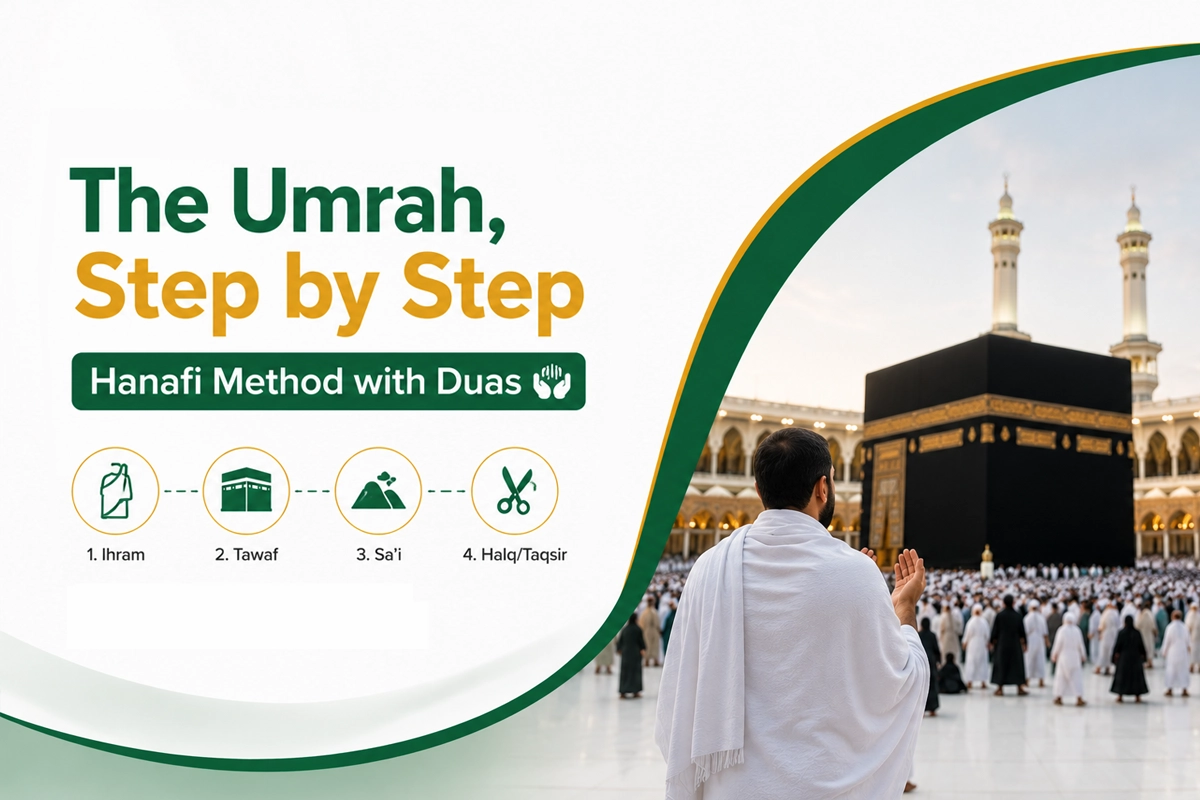
- Then perform the rites exactly as normal — ihram, ṭawāf, saʿy and trimming — with the reward intended for that person.
Everything else about the Umrah is the same as your own; only the intention names the person you are performing it for.
Points to confirm with a scholar
- Whether the person qualifies, especially for the living.
- The requirement to have performed your own Umrah first.
- Doing one Umrah Badal per trip for one person, unless advised otherwise.
Etiquette
Perform it with sincerity and care, as you would your own, making du'ā for the person throughout — that they are forgiven, raised in rank, or granted relief. It is a gift of reward, not a transaction, so let your heart be present in it. For the full rite sequence, see the first-time Umrah guide; for entering ihram, the ihram guide; and to plan the trip, the DIY Umrah guide. Guidance summarised — confirm specifics with a qualified scholar.
Frequently asked questions
Planning a Saudi trip?
Pre-book a private car, find a stay, or ask us anything on WhatsApp.
Last updated: 27 July 2026·Sources reviewed by the Wadana Go editorial team.